What is a Furnace Tune-Up?
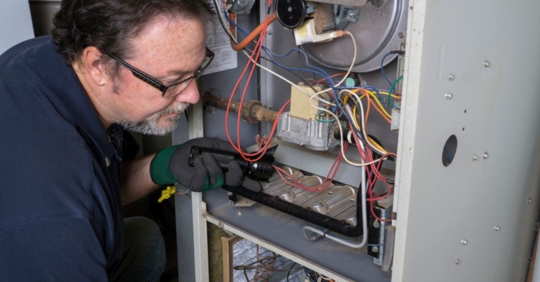
A furnace tune-up is more than just a casual examination—it's a thorough and meticulous process aimed at ensuring your heating system is operating at peak performance. Think of it as a yearly physical for your furnace: it involves an intricate series of steps performed by skilled HVAC professionals to keep your system healthy and efficient. During a tune-up, technicians will conduct a detailed inspection of the various components of your furnace, such as burners, heat exchangers, pilots, and more. This inspection is followed by a thorough cleaning of essential parts, which removes any accumulated dust and debris that could hinder performance. Additionally, adjustments and calibrations are made to ensure that all its functionalities are optimized. These steps collectively help in cutting energy costs, enhancing airflow, and maintaining a consistent temperature in your home.
Importance of Regular Furnace Maintenance
Regular furnace maintenance is pivotal in safeguarding both your home and your wallet. When a furnace is well-maintained, it operates efficiently and reduces energy use, saving you money on utility bills. An efficiently running furnace translates to a safety promise to your family by ensuring no harmful emissions such as carbon monoxide are being leaked into your space. Maintenance also extends the lifespan of your system, delaying the need for expensive replacements. Moreover, consistent tune-ups can help identify minor issues before they escalate into major problems, thus preventing unexpected and costly repairs. In short, investing in regular furnace tune-ups is both an assurance of comfort and a wise financial decision, keeping breakdowns at bay while maximizing efficiency and safety.
General Guidelines for Scheduling
Industry experts generally recommend scheduling a furnace tune-up at least once a year, ideally before the start of the cold season. This timing allows homeowners to address potential issues before the heating system is put to the test in the winter months. The frequency may vary depending on several factors, such as the age of your furnace and your daily usage patterns. For newer systems, a yearly tune-up might suffice, but older models, particularly those over 10 years, may require more frequent attention to avoid malfunctions. Additionally, high-usage households, such as those running their heaters nearly 24/7 during colder months, should consider bi-annual check-ups to ensure consistent performance.
Signs Your Furnace Needs Immediate Attention
Sometimes, your furnace may send out distress signals that shouldn't be ignored, indicative of issues needing immediate attention. Pay attention to any unusual noises, such as banging or grinding, which could symbolize internal mechanical issues. Similarly, strange odors like gas or burning scents can indicate potential leaks or overheating components that need swift repair. Unexpected changes in your furnace's operation, like constant cycling on and off or failure to heat adequately, are also red flags. Ignoring these issues can lead to more severe damage and costlier repairs, so it's crucial to schedule an inspection as soon as these warning signs are noticed.
Environmental and Household Considerations
The frequency of your furnace tune-ups can be significantly influenced by environmental conditions and your household's characteristics. In regions like Mesa, AZ, where the climate can be relatively mild, your furnace might not experience the same level of stress as in colder northern regions. Consequently, the need for tune-ups might be less urgent, with annual or biennial tune-ups often sufficing. However, household elements such as the number of occupants, pets, or the presence of allergies can increase the load on your HVAC system, necessitating more frequent maintenance. Pet hair, for instance, can contribute to faster filter clogging and reduce efficiency, prompting more regular inspection and servicing.
Furnace Type and Age
Not all furnaces are built the same, and their maintenance needs can differ accordingly. Gas furnaces typically require more frequent checks due to the complexity of their components and potential safety concerns, such as leaks. Electric models, on the other hand, have fewer parts that might fail but still benefit from regular cleaning and calibration. The age of the furnace is another critical factor; older systems tend to wear out quicker and may need extra care to sustain their functionality. By understanding the specific needs of your furnace, you'll be better equipped to set an appropriate maintenance schedule that ensures reliability and efficiency year-round.
Researching Qualified Technicians
Choosing the right HVAC professional can make all the difference in the quality of service your furnace receives. Start by confirming that any technician you consider is certified and licensed to perform HVAC work in your area. Certifications like NATE (North American Technician Excellence) indicate a level of expertise recognized by the industry. Additionally, it's wise to check customer reviews and testimonials to gauge the satisfaction levels of past clients. Look for feedback specific to furnace tune-ups to find professionals like Vessel Home Services LLC in Mesa, AZ, renowned for reliable maintenance services that prevent future heating issues.
Comparing Maintenance Packages
Once you've vetted qualified technicians, the next step is to evaluate their maintenance packages. A comprehensive furnace tune-up should include a thorough inspection of system components, safety checks, cleaning services, and any necessary adjustments. Compare the services offered by different HVAC companies, focusing on those that provide extensive coverage and transparent pricing. Consider not just the cost but the value of what you're getting—cheaper packages might not always equate to good service. Choose a maintenance package that delivers full-service care and is designed to extend your furnace's life and efficiency, offering peace of mind throughout the heating season.
Simple DIY Maintenance Tips
Between professional tune-ups, there are simple maintenance tasks you can undertake to keep your furnace efficient. Regularly checking and replacing filters is perhaps the simplest yet most effective practice, as clean filters ensure optimal air quality and furnace function. Aim to inspect filters monthly and replace them every 1-3 months, depending on usage and whether you have pets or allergies. Additionally, ensure that all vents and registers are clear of obstructions like furniture or drapery, as blocked airflow can strain the system and reduce efficiency. By staying proactive, you can help maintain your furnace's performance between professional services.
Understanding Smart Thermostats and Their Benefits
Incorporating technology like smart thermostats can significantly enhance furnace efficiency and ease the burden of manual oversight. These advanced devices offer precise temperature control and are equipped with automation features that can adapt to your lifestyle, minimizing unnecessary energy use. By learning your behavioral patterns, smart thermostats can adjust the heating schedule, leading to significant energy savings. Many models also provide reminders for maintenance tasks like filter changes, ensuring you don't overlook essential steps in furnace care. Embracing smart technology not only enhances comfort and efficiency but also provides a seamless and intuitive way to manage your home's heating.
Keep Your Furnace In Top Shape This Winter with Vessel Home Services LLC
As homeowners, maintaining your furnace efficiently is crucial for comfort and cost management. For trusted and reliable heating maintenance, consider reaching out to Vessel Home Services LLC. Our expert technicians are dedicated to ensuring your furnace operates smoothly through tailored tune-ups cater to your specific needs. Contact us today to schedule a consultation and experience the difference in quality and service.
Call Vessel Home Services LLC now at (480) 376-1098 or send us a message online.